
Aerospace Chemicals: A Practical Guide to Aircraft Maintenance Applications

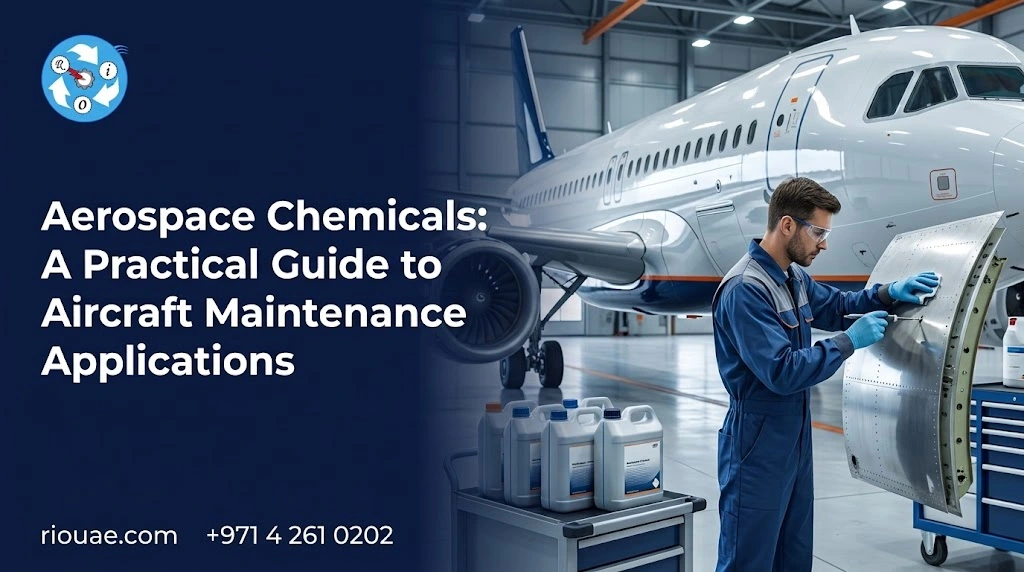
Aerospace chemicals support many of the surface-related tasks involved in aircraft manufacturing, maintenance, repair and overhaul. They can be used to clean parts, prepare metal before painting, remove coatings, protect components from corrosion, treat surfaces and support inspection work. Choosing the right product begins with understanding the task, the material and the approved maintenance instructions.
The term aerospace chemicals covers a broad group of products, so it should not be treated as if one formula can serve every purpose. A cleaner intended for one surface may not be appropriate for another, while a coating or treatment may have specific application conditions. For maintenance teams, procurement specialists and aerospace manufacturers, the practical question is: which product category fits the process being performed?
This guide explains common types of aviation chemicals, how they fit into aircraft maintenance workflows and what information to confirm before sourcing aircraft maintenance chemicals. It also explains how aerospace chemical solutions relate to surface preparation, protection, treatment, coatings and inspection.
What Are Aerospace Chemicals?
Aerospace chemicals are specialist products used in aircraft manufacturing and maintenance processes. They include cleaners, degreasers, paint removers, sealant removers, corrosion-inhibiting compounds, surface treatment products, primers, coatings and materials used in non-destructive testing.
Their intended use depends on the product specification. Some aviation chemicals are formulated for cleaning exterior surfaces or removing process contamination. Others are developed for a particular stage before painting, bonding or sealing. Protective products may be used to help protect components during handling or storage, while inspection materials support defined testing methods.
A product name alone is not enough to confirm suitability. Buyers should consider the substrate, the process, the requested product reference and any applicable approval or documentation requirement. The aircraft or component maintenance data and the product manufacturer’s instructions remain essential references.
Where Aircraft Maintenance Chemicals Fit in the Workflow
A maintenance process may involve more than one product category. Cleaning, preparation, treatment and protection each have a different role, and the order can matter. A simplified workflow may look like this:
- Clean the surface to remove dirt, oil or other process contamination.
- Prepare the substrate for a following process such as painting, bonding or sealing.
- Apply a specified treatment or coating where required by the approved process.
- Inspect the completed work using the method and materials called for in the applicable instructions.
- Protect the part, where the process requires protection during storage, transport or further work.
This is a general overview, not a maintenance procedure. Aircraft maintenance instructions can specify the material, method and acceptance criteria for a particular component. Teams should follow those instructions rather than infer an application from a product’s broad category.
Aircraft maintenance chemicals may be relevant at several points in this workflow, but that does not make products interchangeable. A surface cleaner, paint remover and corrosion inhibitor address different needs. Matching the product to the actual task helps procurement teams ask more useful questions and reduces the chance of requesting an unsuitable product.
Common Categories of Aerospace Chemical Solutions
The right category depends on what the process needs to accomplish. The following examples describe common roles, not a recommendation for a particular aircraft or part.
| Product category | Typical process role |
| Cleaners and degreasers | Remove specified contamination from compatible surfaces |
| Paint and sealant removers | Support defined coating or sealant removal work |
| Surface treatments | Prepare or modify a surface for a following process |
| Corrosion protection products | Provide specified temporary or longer-term protection |
| Aerospace coatings | Apply a functional or protective coating system |
| NDT materials | Support particular non-destructive testing methods |
RIO’s surface preparation products include category listings for cleaning, paint removal, sealant removal and adhesion promoters. The company also lists surface protection, surface treatment, aerospace coatings and non-destructive testing materials. These pages help buyers browse by product family; the relevant product documentation is still needed to assess a specific application.
SOCOMORE describes surface preparation products for cleaning and preparation before processes such as painting, bonding, sealant application and non-destructive testing. Its portfolio also includes temporary and permanent surface protection products. socomore.com
How to Match a Product to the Task
Start with the job requirement, not with a general search for “a strong cleaner” or “a suitable coating.” A clear request identifies what needs to be done and what information will determine product suitability.
Before evaluating aerospace chemicals, confirm:
- The process: Is the task cleaning, degreasing, paint removal, surface treatment, coating, sealing or inspection?
- The substrate: What material or surface is involved, and are there sensitive adjacent materials?
- The product reference: Is there a required manufacturer name, part number or specification?
- The process conditions: Are there stated limits or application conditions in the approved instructions?
- The required documentation: Are a Technical Data Sheet, Safety Data Sheet or other manufacturer documents needed?
- The destination and packaging: What quantity, pack size and delivery destination should be included in the enquiry?
This information makes it easier to compare possible aerospace chemical solutions against the actual task. It also helps a supplier review an enquiry without assuming that two products with similar names or descriptions have the same use.
For example, a request for a cleaner can be more precise if it identifies the surface, the contamination to be addressed and the following process. A request for a coating can include the required product reference or specification, the component application and any documentation the buyer needs. Product selection and use should still be confirmed against the applicable maintenance data and manufacturer documentation.
Why Material Compatibility Matters
Aircraft and aerospace components can include different metals, composites, plastics, painted areas, seals and other materials. A product suitable for one surface may not be suitable for another. Compatibility needs to be confirmed using the product’s technical information and the relevant maintenance or process instructions.
This matters across aviation chemicals, including cleaners, surface treatments, paint removers and protective products. Compatibility should not be assumed just because a product is described as an aircraft cleaner or aerospace surface solution. The precise formulation, substrate and process all matter.
When asking about aircraft maintenance chemicals, share details about the component material and intended use where available. If the task involves adjacent materials or a mixed-material assembly, include that information in the enquiry. The maintenance organization should follow its approved procedures for any checks or application steps.
Product Documentation and Maintenance Instructions
A product page can help identify a product, its packaging and its listed characteristics. A Technical Data Sheet may provide additional product and application information, while a Safety Data Sheet communicates relevant hazard, handling, storage and emergency information. The documents available depend on the product.
Neither a product description nor a general article replaces aircraft-specific maintenance data. For work on an aircraft or component, personnel should use the applicable instructions and approved procedures. EASA’s continuing-airworthiness rules refer to using the methods, techniques, standards and instructions specified in the relevant maintenance data and work orders. The FAA’s Aviation Maintenance Technician Handbook is another official reference for aviation maintenance training. EASA
For procurement teams, requesting available product documentation early can support internal review. Include the exact product name or reference and note which documents are required. This is especially helpful when a request involves a specific specification, destination or pack size.
Handling and Workplace Considerations
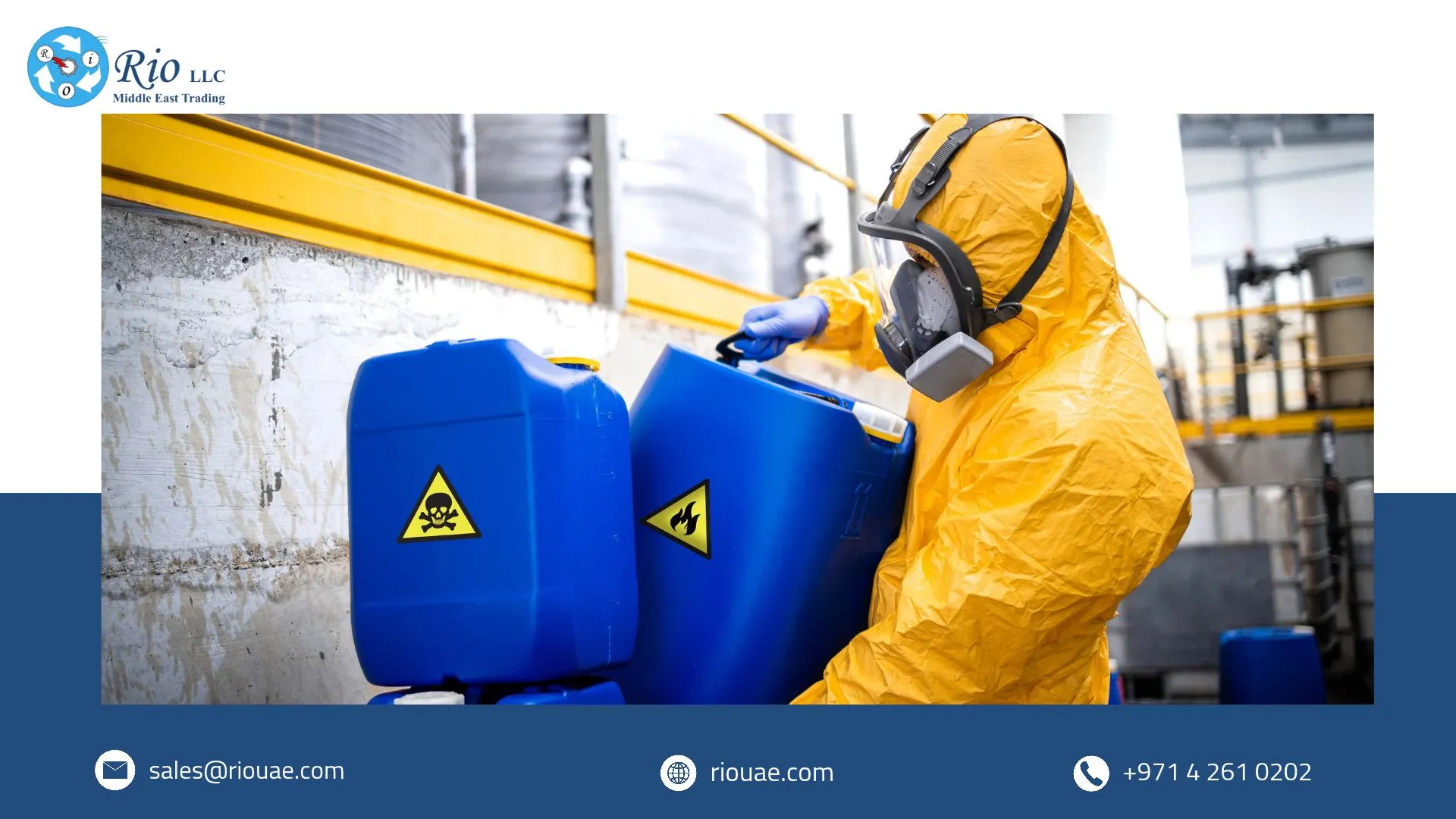
Chemical products may have different hazards and handling requirements. Teams should check the product’s current Safety Data Sheet, follow workplace controls and use the protective measures specified by the manufacturer and employer. Storage and disposal should also follow the applicable instructions and local requirements.
This is one reason aerospace chemicals should be assessed by product and process rather than by category alone. Two products used for different purposes can have different handling, storage or transport requirements. A product description that mentions a particular benefit does not remove the need to review its current documentation.
For general background, SOCOMORE’s official aerospace maintenance overview describes chemical products used in aircraft surface maintenance. For product-specific instructions, consult the relevant manufacturer documents and the maintenance data applicable to the aircraft or component. Chemical Solutions Aerospace MRO
Preparing a Clear RFQ for Aerospace Chemicals
A well-prepared request for quotation can help the sales team understand what the buyer needs. Where possible, include:
- The product name, manufacturer reference or part number.
- The required quantity and packaging.
- The intended process or application.
- The component or surface material, if known.
- The delivery destination.
- Any required technical or safety documentation.
If the exact product is not known, describe the maintenance task and include the relevant specification or procedure reference. Avoid choosing a product only because its title contains a matching keyword. The correct item and availability should be confirmed for the specific requirement.
RIO Middle East uses a request-for-quotation process. Buyers can browse the relevant category pages and submit product references, quantities, packaging and destination details for review. Availability and commercial information are confirmed against the enquiry. riouae.com
Frequently Asked Questions
What products are included in aerospace chemicals?
The term can include cleaners, degreasers, paint and sealant removers, surface treatments, corrosion protection products, coatings and materials used for non-destructive testing. The product’s intended use depends on its technical documentation and the applicable process.
Are aviation chemicals interchangeable?
No general category label confirms that products are interchangeable. Check the product reference, substrate, application and maintenance instructions before considering a product for a task.
How do I choose aircraft maintenance chemicals for a specific component?
Start with the approved maintenance data and the exact process requirement. Then confirm the material, product specification, documentation needs and packaging. If the product is not known, provide those details in a supplier enquiry for review.
What documentation should I request?
Depending on the product and task, buyers may need a Technical Data Sheet, Safety Data Sheet or other manufacturer documentation. State the exact product reference and requested documents when submitting an enquiry.
Where can I browse aerospace chemical solutions by category?
RIO Middle East lists product families for surface preparation, surface protection, surface treatment, coatings and NDT.
Find the Right Product Category for Your Requirement
Choosing aerospace chemicals starts with the maintenance or manufacturing task, the surface involved and the product documentation required. Understanding the difference between cleaning, preparation, treatment, protection, coating and inspection helps teams make clearer product enquiries.
For aviation chemicals or aircraft maintenance chemicals, browse the relevant RIO Middle East category and include the product reference, quantity, packaging and delivery destination in your enquiry. If you are comparing aerospace chemical solutions for a specific process, provide the application details so the requirement can be reviewed against the available product information.