How Airlines Maintain Aircraft Exterior Appearance

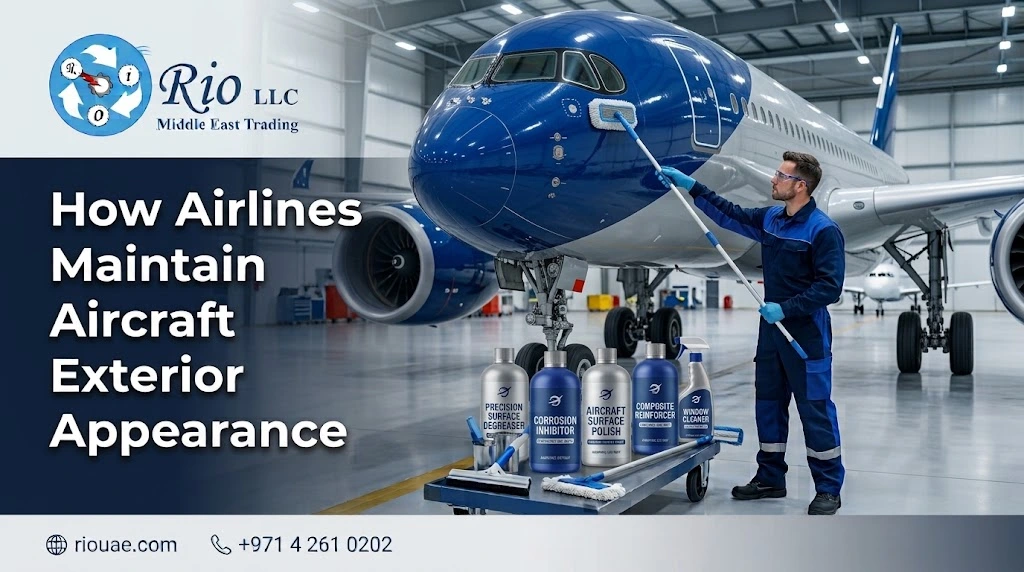
An aircraft’s exterior appearance is shaped by more than paint and livery. Regular aircraft washing, attention to surface condition and planned follow-up work all contribute to how an aircraft looks over time. For airlines, maintaining that appearance means coordinating cleaning with inspection and maintenance requirements.
Aircraft exterior maintenance can involve removing dirt and operational residue, monitoring the condition of painted surfaces, and arranging further evaluation when a finish appears damaged. The exact tasks and timing depend on the operator’s maintenance programme and the applicable aircraft instructions.
This guide explains how airlines approach aircraft appearance maintenance at a high level, why washing is only one part of the work and how suitable cleaning and surface products fit in. It is general information, not an aircraft maintenance procedure. Always follow the relevant maintenance data and product documentation.
Appearance Maintenance Is Part of Fleet Care
A clean aircraft is more presentable, but exterior appearance can also help teams notice changes in a surface condition. During planned cleaning or inspection, staff may observe staining, finish wear, visible damage or areas that need further evaluation. Any maintenance decision should be made through the airline’s established procedures and qualified personnel.
The scope of aircraft exterior maintenance varies between operators and aircraft. Factors such as operating environment, aircraft use and the maintenance programme can influence what work is planned. A general article cannot set a washing frequency or determine what a particular mark means.
Appearance work may include several different activities:
- Aircraft washing to remove surface soil and residue.
- Visual checks performed under the applicable maintenance process.
- Paint and finish care where permitted by the relevant instructions.
- Follow-up assessment when a surface appears damaged or unusual.
- Surface protection when a defined maintenance task calls for it.
Treating these as separate but coordinated activities helps make aircraft appearance maintenance more systematic. A wash does not replace an inspection, and a visual observation should not be treated as a maintenance finding without following the proper process.
Aircraft Washing: One Part of the Process
Aircraft washing is a visible part of maintaining an aircraft’s exterior, but it requires planning. The aircraft, surfaces, work area, method and cleaning product all need to be considered. Aircraft may contain painted and unpainted metals, composites, plastics, windows, seals and other materials that have different care requirements.
Before work begins, the operator’s procedure should define which areas are included, what preparation is needed and what method may be used. Teams also need to understand any precautions for openings, sensitive areas, access equipment and water or product runoff.
The FAA’s AC 43-4B, Corrosion Control for Aircraft, includes general aircraft-washing guidance and post-wash considerations, such as checking drainage areas. It is advisory guidance; applicable manufacturer instructions take precedence. Corrosion Control for Aircraft
The best aircraft washing approach is therefore the one specified for the aircraft and task. A process used by one operator or aircraft type should not automatically be applied to another.
Choosing a Cleaning Method and Product
Airlines and maintenance teams may use wet washing, dry cleaning systems or targeted manual cleaning, depending on the aircraft, work scope and applicable instructions. Each method has its own equipment and product requirements. The selected cleaner should be used only as described in its current documentation.
Products can be designed for different surfaces and tasks. An exterior cleaner, an interior glass cleaner and a carpet cleaner, for instance, are not interchangeable merely because all are marketed for aviation. Product information should be checked for intended use, compatible materials, application instructions and required follow-up.
RIO’s surface preparation category includes cleaning and related product families. Individual product pages, such as SOCOCLEAN Exterior Aircraft Cleaner, provide product-specific information. Review the relevant documents before considering a product for a particular aircraft exterior maintenance task. RIO
The manufacturer’s exterior aircraft cleaner information describes methods and directions for that named product. Its instructions should not be generalized to other cleaners or aircraft. socomore.com
What Teams May Look For During Exterior Checks
Cleaning can make exterior surfaces easier to view, but it does not determine whether a mark or finish change is acceptable. Airlines rely on their maintenance programmes and applicable instructions to decide when a surface needs further evaluation.
Depending on the inspection task, teams may note visible changes such as staining, paint wear, scratches or suspected corrosion. These observations should be handled through the operator’s documentation and maintenance process. This article cannot diagnose a surface condition from a description or prescribe a repair.
The FAA’s corrosion-control advisory discusses the role of corrosion identification and treatment programmes, while also stating that manufacturer guidance takes precedence where it exists. For aircraft appearance maintenance, this reinforces the distinction between removing soil and assessing a surface condition. Washing can reveal or remove some visible contamination; it is not a substitute for qualified inspection. Corrosion Control for Aircraft
Paint, Finish and Livery Care
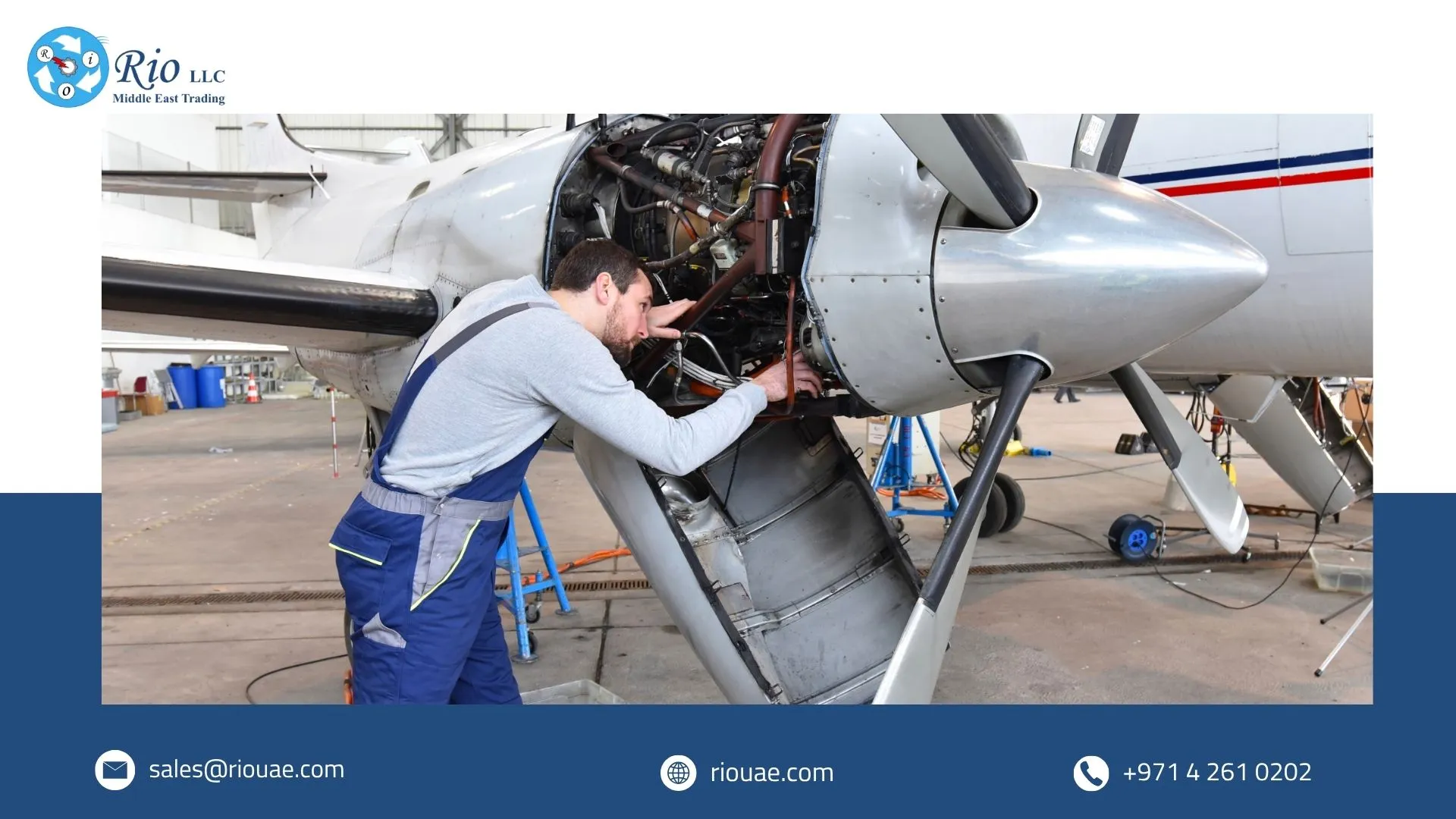
Paint and livery are prominent parts of an aircraft’s appearance. Over time, finishes can be exposed to routine operations and the surrounding environment. Airlines may plan finish-related work as part of broader aircraft exterior maintenance, following the relevant technical and maintenance requirements.
Cleaning and coating are different activities. A cleaner is selected for a defined cleaning task, while primers, topcoats or other coatings are used according to their own product specifications and procedures. If a finish needs repair or renewal, that is not simply an extension of routine washing; it requires the appropriate maintenance and coating process.
RIO lists aerospace products in its coatings category and surface-related products in its surface preparation category. These categories help buyers locate relevant product families, while the product documents and aircraft instructions determine whether an item fits a specific task. RIO
Corrosion Protection and Environmental Exposure
Aircraft operate in different conditions, and the surrounding environment can affect how surfaces are monitored and cared for. The operator’s maintenance programme defines the relevant checks and any protection work required. The presence of a particular environment alone is not enough to decide what chemical, coating or treatment should be applied.
When a maintenance task calls for a protection product, it should be selected for that intended use and surface. RIO’s surface protection category lists products associated with surface protection needs. Product choice, preparation and application should follow the manufacturer’s information and applicable maintenance data. RIO
This makes aircraft exterior maintenance broader than washing: an airline’s programme may include different cleaning, inspection and protection tasks, each with its own scope and approval path.
Planning a Consistent Maintenance Routine
A consistent approach to aircraft appearance maintenance starts with clear work planning. A team needs to know what task has been assigned, which surfaces are included and which instructions govern the work. If cleaning is followed by inspection, coating or another maintenance activity, coordination between teams can help provide a clear handover.
A planning checklist may include:
- Confirm the aircraft-specific task and applicable maintenance data.
- Identify the surface areas and materials included in the work.
- Select only products and methods specified or permitted for the task.
- Check current product instructions and required safety documents.
- Protect areas as required by the procedure.
- Record the work and complete the specified post-task checks.
This checklist is general and does not replace an operator’s procedure. Its purpose is to help teams organize the information needed before aircraft washing or related exterior work is scheduled.
Boeing’s overview of the aircraft cleaning process discusses cleaning as a maintenance activity and highlights the need to use appropriate cleaners. It can provide background, while aircraft-specific instructions remain the reference for a particular job. services.boeing.com
Why Product Documentation Matters
A product page can help identify a cleaner or coating, but short descriptions do not necessarily contain all the information a maintenance organization needs. Technical Data Sheets can provide product characteristics and application details; Safety Data Sheets provide hazard and handling information. The current documents for the exact product should be reviewed.
If a supplier enquiry is needed, include the product name or reference, quantity, packaging and delivery destination. If the required product is not known, describe the task and surface material, and provide any relevant specification or maintenance reference. This helps the sales team direct the request to relevant product information without making assumptions about the aircraft procedure.
Product approvals, where listed, are specific to the product and stated context. They should not be interpreted as universal permission for every aircraft surface or cleaning method. The airline or maintenance organization should confirm the relevant requirements.
Frequently Asked Questions
How often do airlines wash aircraft?
There is no single schedule that applies to every airline and aircraft. Washing frequency depends on the operator’s programme, operating needs and applicable maintenance instructions.
Is aircraft washing only for appearance?
No. It is a cleaning task, and it may also make surfaces easier to view during other work. It does not replace a required inspection or determine whether a surface condition is acceptable.
Can the same cleaner be used for the whole aircraft?
Do not assume so. Exterior surfaces, windows, cabin materials and components may have different requirements. Check product compatibility and the applicable instructions for each task.
Does aircraft washing include repainting?
No. Washing and coating work are different processes. Paint or finish repair and renewal require separate specifications, materials and procedures.
Where can I browse products related to exterior maintenance?
RIO’s surface preparation, surface protection and coatings categories provide starting points for exploring relevant product families.
Supporting Aircraft Exterior Appearance
Airlines maintain aircraft appearance through coordinated cleaning, surface monitoring and planned maintenance work. Aircraft washing can remove soil from approved areas, while other tasks address paint, surface protection or conditions identified through inspection. Each activity needs its own instructions and product requirements.
For teams researching aircraft exterior maintenance products, RIO Middle East’s surface preparation category is a starting point for cleaning products. For other surface requirements, browse the surface protection and coatings categories, then confirm product suitability through the applicable documentation.