Importance of Surface Preparation Before Aircraft Painting

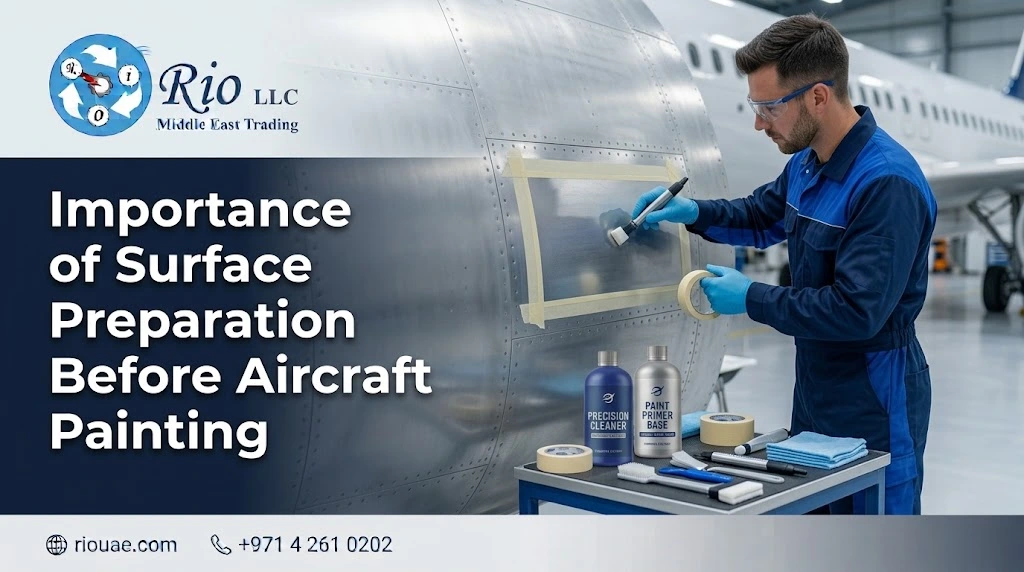
Aircraft paint does more than give an aircraft its colour and livery. A paint system may also form part of the specified surface finish for a component. For that finish to meet the relevant requirements, the surface needs to be prepared according to the aircraft and coating instructions. Aircraft surface preparation is therefore a planned stage of the aircraft painting process, not just a quick wipe before paint is applied.
The required preparation depends on the existing finish, the substrate, the condition of the surface and the coating system being used. Cleaning, removal of a coating, surface treatment and inspection can all be relevant, but they are separate operations with different purposes. The correct sequence and materials must come from the applicable maintenance or manufacturing data.
This guide explains why aircraft surface preparation matters before painting, what teams may need to consider and how aerospace coating preparation fits into the broader work. It is general information, not a paint or repair procedure. Always follow the approved instructions for the aircraft, component and coating system.
Why Preparation Matters Before Aircraft Painting
Paint is applied to a surface, so the condition of that surface can affect the result. Contamination, corrosion, loose coating or an unsuitable previous treatment can interfere with the intended paint process. Preparation helps identify and address the conditions specified by the applicable instructions before the next stage begins.
A well-defined preparation plan can also help coordinate the work. Cleaning, coating removal, surface treatment, masking, inspection and painting may involve different personnel or materials. If the scope and handover points are clear, teams can verify what has been completed and what remains before coating begins.
The FAA’s Airframe & Powerplant Mechanics General Handbook explains that paint adhesion depends in part on careful surface preparation. It also discusses restoring protective coatings under aircraft manufacturer procedures. For a specific aircraft, the applicable instructions determine the required work. faa.gov
What Aircraft Surface Preparation Can Include
Aircraft surface preparation is not one universal method. The steps depend on the condition and material of the surface, the reason for painting and the requirements of the paint system. A preparation plan may involve some of the following stages.
Cleaning and degreasing
Cleaning removes specified dirt, oil, grease or other contamination. The cleaner and method need to be appropriate for the surface and the next process. A general aircraft cleaner should not automatically be treated as a cleaner for every paint-preparation task.
RIO lists cleaners, degreasers and related products in its surface preparation category. A product’s listing helps identify its category, but the technical documents and relevant process instructions determine whether it is suitable for a particular job. RIO
Removing existing coating when required
Some painting work may involve removal or repair of an existing coating. The need for removal, the permitted method and the required limits depend on the component and instructions. Paint removers are not general-purpose cleaners; they need to be selected and used according to their stated application and the maintenance data.
Surface treatment
A treatment may be specified after cleaning or other preparation steps. Depending on the material and process, this can include deoxidizing, conversion or other surface conditioning. Aerospace coating preparation should account for any required treatment as part of the coating system rather than treating it as an optional step.
RIO has a separate surface treatment category for products in this family. Its coatings category is separate as well, because treatment products and paint products perform different functions. RIO
Inspection and masking
Before painting begins, the surface and work area may need to be checked under the applicable procedure. Masking or other protection can be specified to keep products and paint away from adjacent surfaces or components. The extent of these checks and protections varies by task; it should be defined by the responsible organization’s instructions.
Aircraft Painting Is a System, Not a Single Product
The aircraft painting process may involve multiple layers or products, each with its own requirements. These can include a primer and a topcoat, for example, but the actual system depends on the approved specification. Preparation products, treatments and coatings should be compatible within that system.
This is why aerospace coating preparation needs to begin with the selected coating system and the relevant technical data. Choosing a surface cleaner independently, based only on a broad description, could miss process requirements such as compatibility, substrate limitations or required documentation.
SOCOMORE describes surface preparation products for processes including painting, bonding and sealant application on its official surface preparation page. Its product information should be reviewed for the named product and application, not generalized to other products. www.socomore.com
When evaluating a coating system, confirm the product reference, substrate, required preparation and any associated products identified by the manufacturer or applicable maintenance data. If the exact requirements are unclear, request clarification before work is planned.
Material Compatibility Must Be Considered
Aircraft components can include different metals, alloys, composites, plastics, sealants and existing coatings. A process appropriate for one material may not be suitable for another. A component may also have adjacent materials that could be affected by a cleaner, remover, treatment or coating.
For this reason, the phrase aircraft surface preparation should always be connected to a specific surface and application. Before selecting surface preparation products, identify the material if known and check the compatibility information in the product documents. Do not assume that a process for a metal panel will apply to a composite panel or a mixed-material assembly.
The FAA’s handbook discusses material-specific considerations for aircraft work, while EASA’s continuing-airworthiness rules require use of applicable maintenance data. Teams should use the current instructions and any relevant coating documentation for the aircraft or component. faa.gov
Surface Condition and Corrosion Findings
Preparation may reveal conditions that need evaluation before painting. Examples can include damaged paint, surface contamination or suspected corrosion. Finding a condition during preparation does not by itself determine the required repair. The responsible maintenance personnel need to assess it against the relevant aircraft data and approved limits.
If corrosion treatment is part of the work, the sequence and extent must follow the applicable instructions. The FAA’s guidance discusses corrosion treatment and restoration of protective coatings, but aircraft manufacturer procedures take precedence where applicable. The painting team should not use paint to conceal or bypass an unresolved surface condition.
The aircraft painting process should move forward only when the surface is ready according to the applicable requirements. This helps keep coating work connected to the maintenance decision and documentation that support it.
Why Surface Cleanliness and Process Control Matter
A surface can appear clean without necessarily meeting the requirements for the next step. Preparation instructions may define specific products, methods or checks. Teams should not replace those requirements with a visual judgment alone.
Process control also matters when several preparation stages are involved. A clear record of the materials used, work completed and inspections performed can support handovers between cleaning, treatment and painting teams. If an issue arises, documentation helps identify which product references and instructions were associated with the task.
For aerospace coating preparation, maintain clear separation between product families and process stages. A cleaner removes specified contamination; a treatment conditions the surface; and a coating provides the finish specified by its system. One product should not be presumed to replace another without supporting technical information.
Planning Before Painting Begins
Before starting an aircraft painting process, teams can confirm the following information:
- What component or surface will be painted?
- What is the substrate and the condition of the existing finish?
- Is the task a touch-up, local repair or broader repaint?
- Which coating system and product references are specified?
- What cleaning, removal or treatment steps are required?
- Which technical and safety documents are needed?
- What inspection and documentation steps must be completed before painting?
These questions help distinguish a general product enquiry from a defined maintenance requirement. If the product references are not known, the buyer can describe the task and provide the relevant specification or maintenance reference. The product supplier may help locate relevant catalogue information, while the maintenance organization confirms suitability and procedure.
Choosing Surface Preparation Products
RIO’s surface preparation products include categories such as manual cleaning, paint removal, sealant removal and adhesion promoters. Its surface treatment products and coatings are listed separately, allowing buyers to browse by function.
When requesting information for aircraft surface preparation, include the product name or code if known, the substrate, the task, the coating system reference, quantity, packaging and delivery destination. Also state whether a Technical Data Sheet or Safety Data Sheet is required. Product availability and suitability should be confirmed for the specific request.
Frequently Asked Questions
Why is aircraft surface preparation important before painting?
Preparation helps address surface conditions and contamination identified by the applicable process before coating is applied. The required steps depend on the aircraft, component, substrate and coating specification.
Is cleaning the same as aerospace coating preparation?
No. Cleaning may be one part of aerospace coating preparation, but the full preparation process can also involve coating removal, treatment, inspection or protection, depending on the instructions.
Can the same preparation method be used for every aircraft?
No. Materials, existing finishes, coating systems and maintenance requirements vary. Use the applicable aircraft and product documentation for the specific job.
Does surface treatment replace primer or paint?
Not automatically. Surface treatment and coating are different process categories. Whether a treatment is required before primer or another coating depends on the specified system.
Which RIO categories are relevant before aircraft painting?
The main categories to review are surface preparation, surface treatment and coatings. The product reference and approved process determine which items are relevant.
Prepare the Surface for the Specified Coating System
The importance of aircraft surface preparation comes from its role in the broader aircraft painting process. Cleaning, treatment, removal and inspection are distinct steps, and the correct combination depends on the aircraft, surface and coating requirements.
For aerospace coating preparation products, start with the applicable technical data and then browse RIO Middle East’s surface preparation, surface treatment and coatings categories. Include the required product references and application information in your enquiry so the team can review the request.