Aerospace Coatings: Types and Applications in Aviation

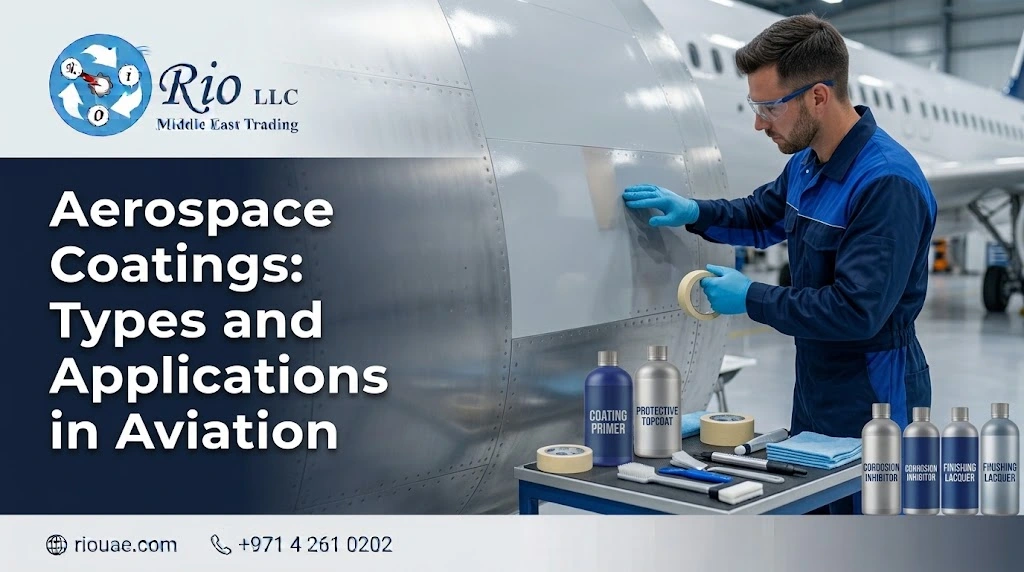
Aerospace coatings are materials applied to aircraft parts and surfaces for specific finishing or functional purposes. Some provide the visible finish, while others are selected for requirements such as corrosion protection, erosion resistance, electrical conductivity or performance in demanding temperatures. The right coating depends on the part, its material, the operating environment and the applicable technical requirements.
The term aviation coatings covers a broad range of products. A decorative topcoat, a primer and a high-temperature coating have different roles, so they are not interchangeable. A coating also belongs to a system: its performance depends on the specified products, surface preparation and application process working together.
This guide introduces common aerospace coatings, where they may be used and what buyers should confirm before sourcing them. It is a general overview, not a painting or repair procedure. Follow the approved maintenance or manufacturing data and the current product documentation for any specific aircraft or component.
What Are Aerospace Coatings?
A coating is a material applied to a surface to achieve a specified finish or function. In aviation, the range includes primers, intermediate coats, topcoats and functional coatings. The selection depends on the surface material and the purpose of the system.
SOCOMORE describes coating products for aerospace and defence applications on substrates that include composites, thermoplastics, metals and glass. Its product families include primers, topcoats and specialized coatings. This range illustrates why “aircraft paint” can refer to products with very different uses. Aerospace Coatings for Aircraft
Aircraft coating systems may include several layers designed to work together. A primer may provide a specified base for a later coating, while an intermediate coat or topcoat may serve its own purpose within the system. The exact arrangement and product compatibility are determined by the applicable specification and manufacturer documentation.
Common Types of Aerospace Coatings
1. Primers
Primers are used as part of specified coating systems. Depending on the product and application, they may provide a base layer for subsequent coatings or contribute to surface protection. Primer selection depends on the substrate, the required system and the topcoat that will follow.
A primer should not be chosen in isolation. Aircraft coating systems are designed around product compatibility and defined application requirements. RIO lists primers within its coatings category, where buyers can review product listings and references. The individual product documentation should be checked for the intended application. RIO
2. Decorative coatings and topcoats
Decorative coatings and topcoats create the visible finish specified for a surface. They may be used to achieve colour, gloss or other appearance requirements. Although these coatings are visible, appearance alone does not determine whether a product is suitable for a given aircraft or part.
When reviewing aviation coatings for a finishing requirement, confirm the product reference, substrate, specified colour or finish, and any system requirements. RIO lists Decorative Coating & Topcoat products in its coatings category. The applicable system documents determine how a topcoat fits with other layers.
3. Anti-corrosion coatings
Anti-corrosion coatings are selected for defined corrosion-protection requirements. Their suitability depends on the substrate and coating system, as well as the maintenance or manufacturing specification. They are not a substitute for inspecting, assessing or treating existing corrosion according to approved instructions.
The FAA’s AC 43-4B, Corrosion Control for Aircraft, provides guidance for aircraft corrosion-control programmes. It notes that manufacturer recommendations take precedence where they apply. RIO lists anti-corrosion coatings as a product family within its coatings range. Corrosion Control for Aircraft
4. Erosion-protection coatings
Erosion-protection coatings are developed for specified surfaces or components exposed to erosion-related conditions. The required coating depends on the part, the exposure and the product specification. These products should not be treated as general topcoats.
RIO’s catalogue includes an Erosion Protection Coating category. Its presence indicates a distinct product family; product documentation and the applicable aircraft data define whether an item is relevant to a particular component.
5. High-temperature coatings
High-temperature coatings are formulated for applications with defined temperature requirements. The operating conditions, substrate and coating specification all matter. A coating’s description should be checked against the temperature range and other product limits stated in the technical information.
These products form one specialized group of aerospace coatings. They are not automatically suitable for every hot area or engine-related surface. Use only the product reference and system specified for the intended application.
6. Conductive and other functional coatings
Some coatings have functional requirements beyond appearance or general protection. Examples in manufacturer catalogues can include conductive, low-outgassing, anti-UV, low-emissivity or other specialized coatings. Each type is developed for a specific use, so selection depends on the technical requirement and component.
SOCOMORE’s coatings solutions page describes functional and specialized coating families for aerospace and defence substrates. RIO also lists product families such as conductive and low-outgassing coatings, subject to current catalogue availability. Confirm details for the specific product and application. Solutions
Where Aviation Coatings May Be Used
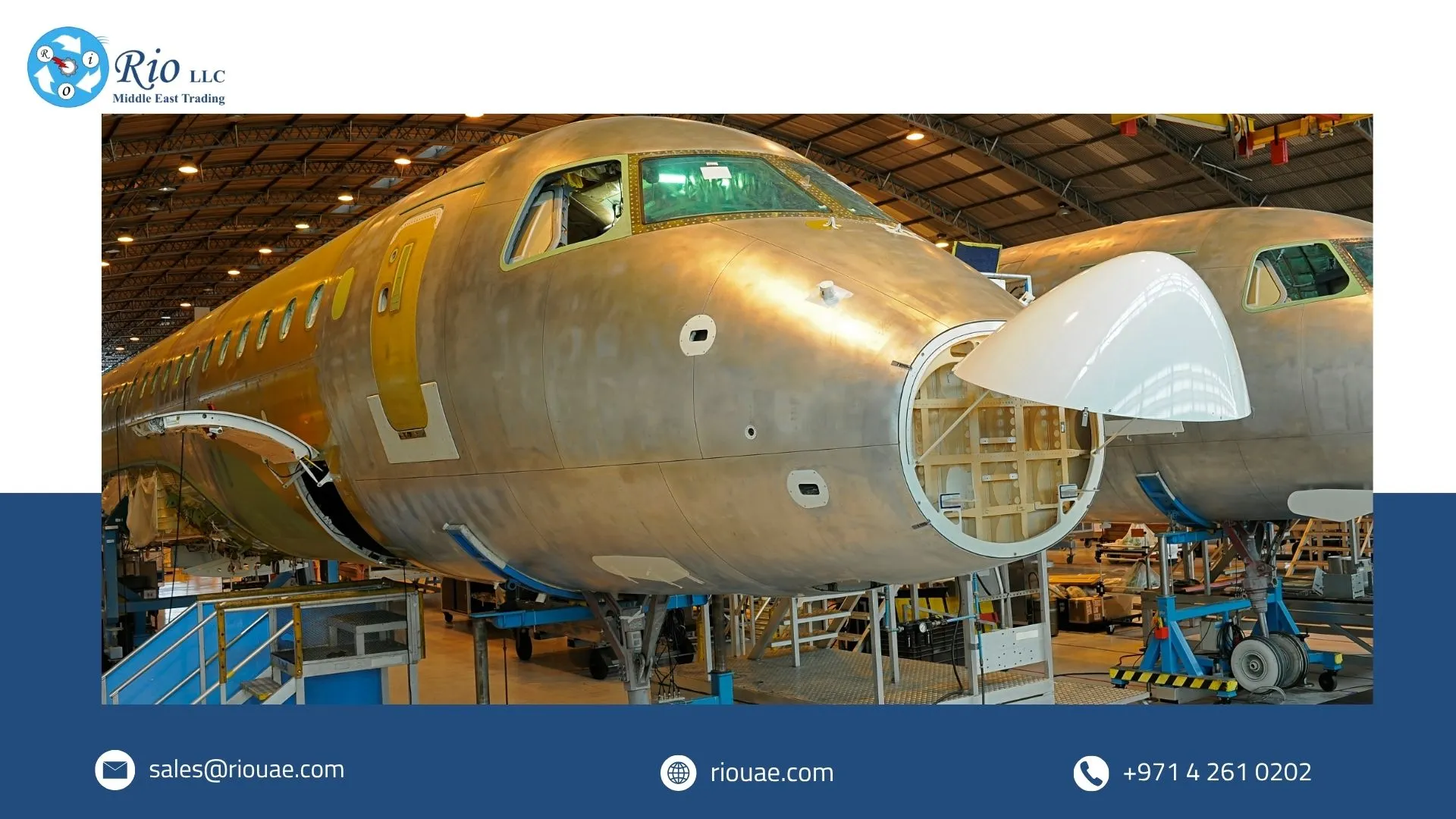
Different aviation coatings serve different application needs across aircraft structures, components and equipment. Depending on product specifications, a coating family may be intended for exterior surfaces, interior parts, metal components, composite substrates or specialized equipment. The specific product and component requirements determine suitability.
A functional coating may be selected for a particular environmental or performance condition. A decorative topcoat may meet a visible finish requirement. A primer may be part of a multi-layer system. These examples describe broad roles; they do not identify a product for a particular aircraft without the applicable data.
When browsing aircraft coating systems, it is useful to start with the intended function and substrate. RIO’s coatings category organizes listings into product families, including primers, topcoats, anti-corrosion coatings, erosion protection and high-temperature coatings. Product names and category labels are useful for navigation, while technical documents support selection.
Why Coatings Are Chosen as a System
A coating system is more than a collection of independent paints. The primer, intermediate layers and topcoat may have to meet compatibility and performance requirements together. If a product is substituted or combined without authorization, the resulting system may not match the intended specification.
The surface condition also matters. Aerospace coatings may require defined preparation before application, and the chosen coating may have associated requirements for the substrate or preceding layers. RIO lists separate categories for surface preparation, surface treatment and coatings. These links reflect different product functions, though a specific workflow must be confirmed from the aircraft and coating instructions.
SOCOMORE describes a range of products from paint stripping and preparation through to coating, with compatibility across the process as a consideration. This is manufacturer-level information about its range, not a universal instruction for every coating system. Solutions
Factors to Confirm Before Selecting a Coating
Before comparing aviation coatings, establish the application and product requirements. Useful details include:
- Substrate: What material or surface will receive the coating?
- Function: Is the requirement decorative, protective or specialized?
- System: Is there a specified primer, topcoat or compatible product set?
- Environment: What operating conditions or exposure does the specification address?
- Product reference: Is a manufacturer name, product code or specification already required?
- Documentation: Are technical data, safety information or approval references needed?
- Packaging and quantity: What pack size and volume are needed for the task?
These details help distinguish product categories and make sourcing enquiries more useful. They do not replace the technical review required by the maintenance or manufacturing organization.
Documentation and Maintenance Requirements
Product pages can help identify coating families, product codes and packaging. Technical Data Sheets provide information about product properties and intended use. Safety Data Sheets address hazards, handling, storage and emergency measures. The documents needed depend on the product and work.
The relevant maintenance or manufacturing data remains essential. EASA’s Easy Access Rules for Continuing Airworthiness state that maintenance should use applicable methods, techniques, standards and instructions specified in maintenance data. This means a general article or catalogue description cannot determine which coating is approved for a particular aircraft or repair. www.easa.europa.eu
When a product reference is unclear, include the task, substrate, required function and relevant specification when contacting a supplier. Ask for current documentation for the exact product rather than relying on a similar product name.
Frequently Asked Questions
What are aerospace coatings used for?
They may be used for visible finishes or functional requirements such as corrosion protection, erosion resistance, high-temperature use or conductivity. The exact purpose depends on the product and specification.
Are aviation coatings the same as ordinary aircraft paint?
The terms can overlap in everyday use, but aviation coatings include product families with different technical roles. Primers, topcoats and specialized coatings should be selected according to their intended application and the specified system.
Can different aircraft coating systems be mixed?
Do not assume products are compatible just because they are both coatings. Use the products and combinations specified by the applicable system documentation.
Where can I browse aerospace coatings?
RIO Middle East lists coatings by product family in its coatings category, including primers, topcoats and specialized coatings.
What should I provide when requesting coating information?
Share the product name or code if known, substrate, intended function, system reference, quantity, packaging, documentation needs and delivery destination.
Explore Aerospace Coatings by Application
The range of aerospace coatings includes decorative topcoats, primers and specialized products designed for particular functions. Each belongs to a defined product system, and its suitability depends on the substrate, specification and applicable maintenance or manufacturing data.
To explore aviation coatings by type, start with RIO Middle East’s coatings category. If your requirement also involves preparation or treatment products, browse the separate surface preparation and surface treatment categories. Include the product reference, application and required documents in your enquiry so the team can review the request.