Aircraft Cleaning Process: Methods, Chemicals, and Best Practices

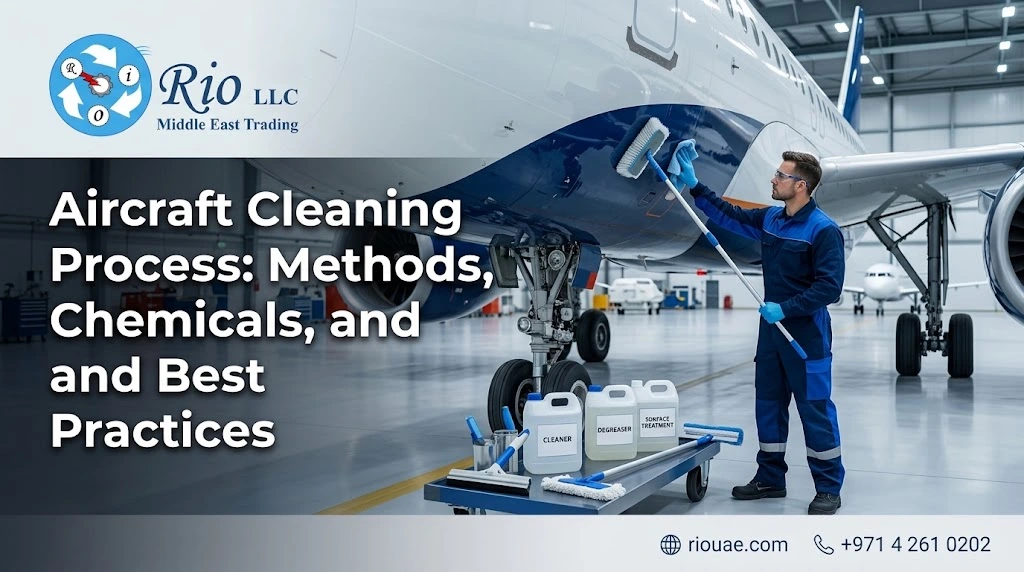
A clear aircraft cleaning process starts before water or cleaning products reach the aircraft. The team needs to know what is being cleaned, which materials are present, what the maintenance instructions allow and what work will follow. These checks help determine whether wet washing, a dry method or targeted manual cleaning is appropriate.
The phrase airplane cleaning methods covers different ways to remove dirt and operational residue. It does not mean that one technique or cleaner is right for every aircraft surface. Exterior panels, landing gear, transparent plastics, composite areas and other components can have different requirements.
This guide explains how to plan an aircraft cleaning process, compare common aircraft exterior cleaning methods and choose relevant products. It is an informational overview for maintenance and procurement teams, not an aircraft-specific work instruction. Always follow the applicable maintenance data and the product manufacturer’s current documentation.
Why a Planned Aircraft Cleaning Process Matters
Cleaning can support maintenance work by removing contamination before inspection or a later task. A planned aircraft cleaning process also helps teams account for areas where liquid, residue or cleaning tools could create problems. For example, access openings, vents, drains and sensitive components may require specific protection or attention under the applicable instructions.
A rushed wash can leave residue, miss less visible areas or allow water to collect where drainage needs to be checked. The goal is not simply to make the aircraft look clean. It is to carry out the defined cleaning task while protecting the aircraft, its surfaces and the work that follows.
The FAA’s AC 43-4B, Corrosion Control for Aircraft, includes general aircraft-washing guidance and post-wash checks. It is an advisory circular, and aircraft or engine manufacturer instructions take precedence when they apply. EASA’s continuing-airworthiness rules likewise refer to using the methods and instructions in applicable maintenance data. Corrosion Control for Aircraft
Step 1: Define the Cleaning Task
Before choosing from different airplane cleaning methods, clarify what the task is intended to remove and which surfaces are involved. A broad instruction such as “clean the aircraft exterior” may need more detail before the team can choose a suitable method or product.
Useful planning questions include:
- Is the task a general exterior wash or targeted cleaning of a component?
- What type of soil or residue needs to be removed?
- Which surface materials or finishes are involved?
- Are there areas that must be covered, avoided or cleaned separately?
- What maintenance or inspection work will take place afterward?
- Which aircraft-specific instructions and product documents apply?
These details help define the scope of aircraft exterior cleaning and guide product selection. They also help procurement teams submit a more complete request if a particular product reference, quantity or document is needed.
Step 2: Choose a Suitable Cleaning Method
The right method depends on the task, the aircraft, the surface and the instructions being followed. Common approaches include wet washing, dry washing, manual wiping and targeted cleaning of specific areas. The method should come from the applicable procedure rather than from a general preference for one technique.
Wet washing
Wet washing uses a cleaning solution and water to remove dirt or residue from approved exterior areas. Depending on the product and equipment, application may involve manual work or a suitable washing system. The product instructions define whether dilution, rinsing or other conditions apply.
Water control is an important part of an aircraft cleaning process. FAA guidance discusses protecting against water or cleaning-compound intrusion and checking areas such as drains and known water traps after washing. The required precautions still depend on the aircraft and the maintenance instructions in force.
Dry washing
Dry-wash systems can use a dedicated cleaning product and equipment designed for that method. A manufacturer may specify which product and equipment work together and how they are used. That does not make a dry-wash procedure universal: teams need to check that the particular process is appropriate for the aircraft and task.
For example, SOCOMORE describes a robotic washing option for one of its exterior cleaner products. The manufacturer’s product page provides product-specific application information; it should not be treated as a general procedure for other cleaners or aircraft. socomore.com
Manual and targeted cleaning
Manual methods can be used for particular areas that need attention or cannot be reached by a selected washing system. A process may use a cloth, pad, brush or other tool specified for the task. The product and tool need to be suitable for the surface; abrasive tools can damage some finishes and materials.
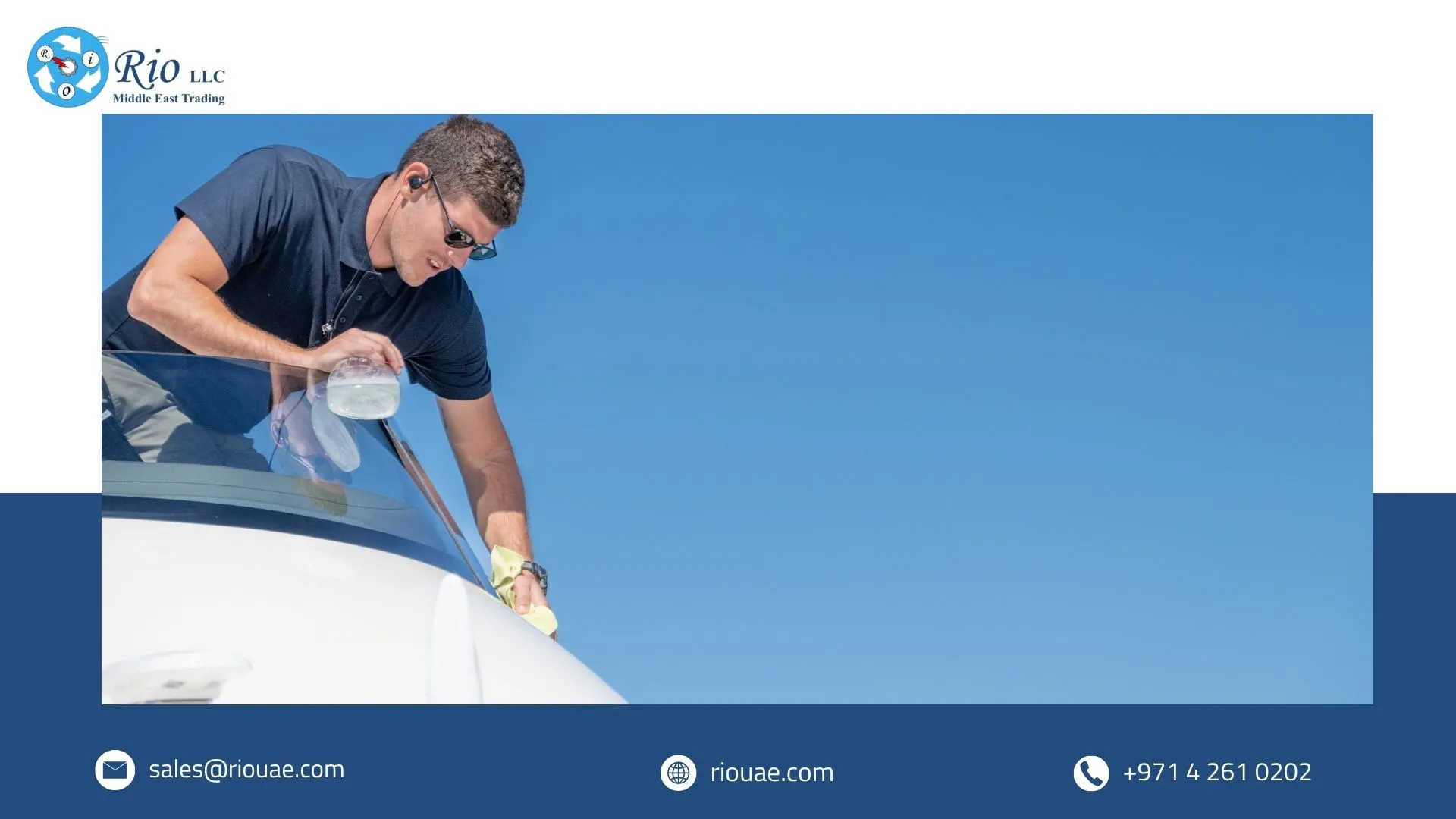
Manual cleaning is also relevant to transparent plastics and other sensitive surfaces. The FAA’s Airframe & Powerplant Mechanics handbook describes specific care for transparent plastic, including avoiding rough materials that may scratch it. Follow the applicable aircraft instructions for the actual surface. Airframe Handbook
Step 3: Select the Cleaning Product
The cleaning product should be selected for the intended task and surface. Some products are formulated for aircraft exterior cleaning, while others may be aimed at parts, equipment or different process needs. A product’s general description is not enough to confirm its suitability for every material or application.
When comparing aviation cleaning products, check the product name and reference, stated use, material compatibility, instructions and supporting documents. Also confirm whether the process calls for rinsing, a specific application tool or other product-specific conditions. Do not assume that two cleaners with similar labels can be substituted for each other.
RIO’s surface preparation products include cleaning and degreasing categories. The catalogue also includes individual products such as SOCOCLEAN Exterior Aircraft Cleaner. Review the product’s details and request available manufacturer documents when assessing a specific application. RIO
Step 4: Prepare the Aircraft and Work Area
Preparation helps the team understand the boundaries of the cleaning task. Depending on the work, the applicable instructions may specify power isolation, grounding, covers, plugs, masking or other precautions. The team should also know which protection has been installed and how it will be removed and checked afterward.
The FAA’s general aircraft-washing guidance discusses protection against water entering openings, following product mixing instructions and avoiding abrasive pads. It also describes checks after washing, such as removing covers and checking drainage areas. These are general advisory recommendations; use the aircraft manufacturer’s maintenance data and the approved work procedure for the specific aircraft. faa.gov
Preparation should include communicating the cleaning scope to everyone involved. If different teams are responsible for washing, inspecting and restoring covers or lubrication, they should understand how the work is handed over. Clear coordination helps reduce missed checks at the end of the aircraft cleaning process.
Step 5: Apply the Method and Control the Work
During cleaning, follow the specified sequence, product instructions and equipment requirements. Do not change dilution, contact time, application technique or rinsing requirements based on assumptions. If instructions are unclear or conflict, stop and have the responsible maintenance authority resolve the question before proceeding.
For aircraft exterior cleaning, it can be useful to organize the work by zones and record which areas have been completed. This helps the team cover the planned scope and identify any area that needs a separate method. Tools and cloths should be managed so that contamination is not spread from one area to another.
The cleaning team should also pay attention to where water, product and removed soil go. Runoff handling and workplace controls should follow site procedures and local requirements. The aircraft cleaning process should leave the work area ready for the next maintenance step, not create uncertainty about residue, wet areas or temporary protections.
Step 6: Inspect After Cleaning
The work is not complete just because the visible surfaces look clean. Post-cleaning checks should follow the applicable maintenance data and work order. Depending on the instructions, these may include confirming covers or plugs have been removed, checking drains, looking for retained water and ensuring follow-up tasks are completed.
FAA’s corrosion-control advisory discusses post-wash checks, including drain holes and known water-trap areas, as well as lubrication per the applicable maintenance manual. These points illustrate why the aircraft cleaning process includes follow-up checks; the precise checks for any aircraft must come from its maintenance instructions. faa.gov
Recording the work as required by the maintenance organization also helps provide a clear handover. If a surface will be painted, treated or inspected next, the responsible team should know that the cleaning task is complete and whether any additional preparation is required.
Best Practices for Consistent Aircraft Exterior Cleaning
A reliable aircraft cleaning process is built around clear instructions, appropriate products and careful follow-up. These practices can help teams plan the work:
- Use the current aircraft maintenance data. Confirm the applicable procedure before starting.
- Match the product to the task. Check the manufacturer’s product information and material compatibility.
- Keep the method specific. Wet washing, dry washing and manual cleaning have different requirements.
- Protect areas as instructed. Make sure temporary covers and plugs are tracked for removal.
- Follow product directions. Use stated dilution, contact time, application and rinse requirements.
- Check the result and drainage. Follow the required post-cleaning inspections and record the work.
These points are not a replacement for an approved work procedure. They are planning reminders to help maintenance teams discuss airplane cleaning methods and product needs more clearly.
Frequently Asked Questions
What is the aircraft cleaning process?
It is the planned sequence for preparing, cleaning and checking an aircraft or component. The details depend on the aircraft, surfaces, contamination and applicable maintenance instructions.
What are common airplane cleaning methods?
Common approaches include wet washing, dry washing and manual or targeted cleaning. The appropriate method depends on the aircraft instructions, the selected product and the task.
Which chemicals are used for aircraft exterior cleaning?
Products vary by application. Some are formulated for exterior cleaning, while others are designed for parts, equipment or specific process needs. Check each product’s technical information and the applicable maintenance data.
Can one cleaner be used on every aircraft surface?
Do not assume so. Surface materials and finishes vary, and each product has its own stated use and compatibility information. Confirm suitability before use.
What should I review before choosing an aviation cleaning product?
Identify the surface and cleaning task, then review the product reference, manufacturer instructions, compatibility information and any required technical or safety documents.
Find a Product Category for Your Cleaning Requirement
A well-planned aircraft cleaning process combines the right task definition, method, product information and post-cleaning checks. The best airplane cleaning methods depend on the aircraft and the approved instructions, while aircraft exterior cleaning products should be assessed for the specific surface and application.
To explore products for aviation cleaning, start with RIO Middle East’s surface preparation category. Include the product name or reference, quantity, packaging and delivery destination in your enquiry so the team can review the requirement.