Types of Aerospace Chemicals Used in Aircraft Maintenance

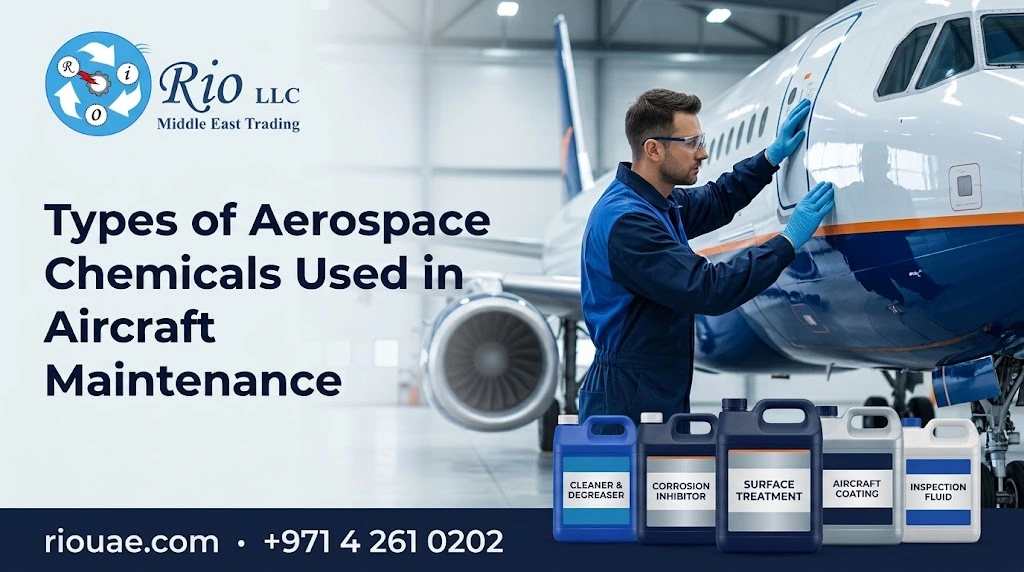
The types of aerospace chemicals used in aircraft maintenance vary by task, surface and approved process. Some products clean and degrease components; others prepare surfaces for painting or bonding, remove coatings, protect against corrosion or support inspection. Knowing the difference helps maintenance and procurement teams identify the right product category before requesting technical information or a quotation.
The phrase aerospace chemicals covers many products, so a broad label is only a starting point. A cleaner, surface treatment and corrosion inhibitor have different purposes. Even products in the same category may have different material compatibilities, application limits and documentation requirements.
This guide explains common types of aircraft maintenance chemicals, where they fit into maintenance work and how aviation cleaning products relate to other materials used in the aerospace sector. It is an overview for understanding product families, not a substitute for the maintenance instructions or product documentation applicable to a specific aircraft or component.
1. Aircraft Cleaners and Degreasers
Cleaning products are among the most familiar types of aerospace chemicals. They are used for defined cleaning tasks, such as removing oil, grease, dirt or process residues from a compatible surface. Degreasers are formulated to address oily contamination, while other cleaners may be intended for exterior surfaces, components, equipment or particular manufacturing processes.
The phrase aviation cleaning products can refer to different formulations and uses. A product intended for one aircraft surface should not automatically be assumed suitable for another. The surface material, type of contamination and the process that follows all matter. Product labels and manufacturer documentation should be checked before use.
RIO lists cleaning and degreasing products within its surface preparation category, including manual cleaning and related subcategories. Buyers exploring aviation cleaning products can use the category to identify relevant product families, then check the individual product details and documentation for the intended application.
When comparing aircraft maintenance chemicals for cleaning, it can help to define the task clearly: what needs cleaning, what material is involved, what contamination is present and what process follows? Those details make a product enquiry more useful than a general request for an aircraft cleaner.
2. Paint and Coating Removers
Paint removers are used to remove coatings as part of a specified maintenance or refurbishment process. Aerospace product categories may include gel or liquid formulations. The relevant type depends on the approved process and the product’s stated compatibility with the substrate and coating system.
These products are a distinct type of aerospace chemical. They are not interchangeable with general-purpose cleaners, and they should not be selected based only on the coating name or a broad description. Buyers should identify the required product reference or provide information about the application so the product documentation can be reviewed.
RIO’s surface preparation range includes paint removal products, with separate product listings for different forms. The category is a useful starting point for finding product families; suitability for a particular component must be assessed against the applicable instructions and the manufacturer’s information.
3. Sealant Removers and Related Materials
Sealants are used in aerospace manufacturing and maintenance for specific assembly, sealing and repair requirements. Where an approved task involves removing existing sealant, specialist removal products may be relevant. The product and method need to match the particular task and material compatibility requirements.
Sealant removal is not the same as cleaning a surface. It may be followed by further preparation, inspection or application of a new material, depending on the maintenance data. For that reason, the sequence and the product choice should come from the approved process rather than assumptions based on a general product description.
RIO lists sealant removal products under surface preparation, while its Shims & Sealants category covers related materials used in aircraft assembly and repair. These product families can help buyers locate the right area of the catalogue before submitting a specific product enquiry.
4. Surface Preparation and Adhesion Promoters
Surface preparation products support processes that take place before painting, bonding, coating or other surface work. Depending on the product family, this may include cleaners, degreasers, technical wipes or adhesion promoters. The goal of the preparation step is defined by the process: it is not a general instruction to apply more than one product or to treat every surface in the same way.
The condition of a surface and the process that follows can influence which aerospace materials are needed. A preparation product for one substrate or process may not be suitable for another. The product’s approved use and technical information should guide the decision.
RIO’s surface preparation products include adhesion promoters as well as cleaning and removal categories. SOCOMORE also describes surface preparation products for processes such as painting, bonding and sealant application on its official surface preparation page. RIO
5. Surface Treatments
Surface treatment products are used for defined processes that modify or prepare a surface. Depending on the product and application, this may involve conversion, deoxidizing or decontamination. These treatments are different from cleaning: a cleaner removes specified contamination, while a treatment performs a separate surface-related function described by its manufacturer.
The distinction matters when comparing types of aerospace chemicals. Similar product descriptions can sound interchangeable, but a surface treatment may have specific material, process or documentation requirements. Buyers should confirm the product reference and intended application rather than relying on the generic term “surface chemical.”
RIO’s surface treatment category provides a route to products in this family. For a specific application, the product documentation and the maintenance or manufacturing instructions should be consulted before selection.
6. Corrosion Inhibitors and Protective Products
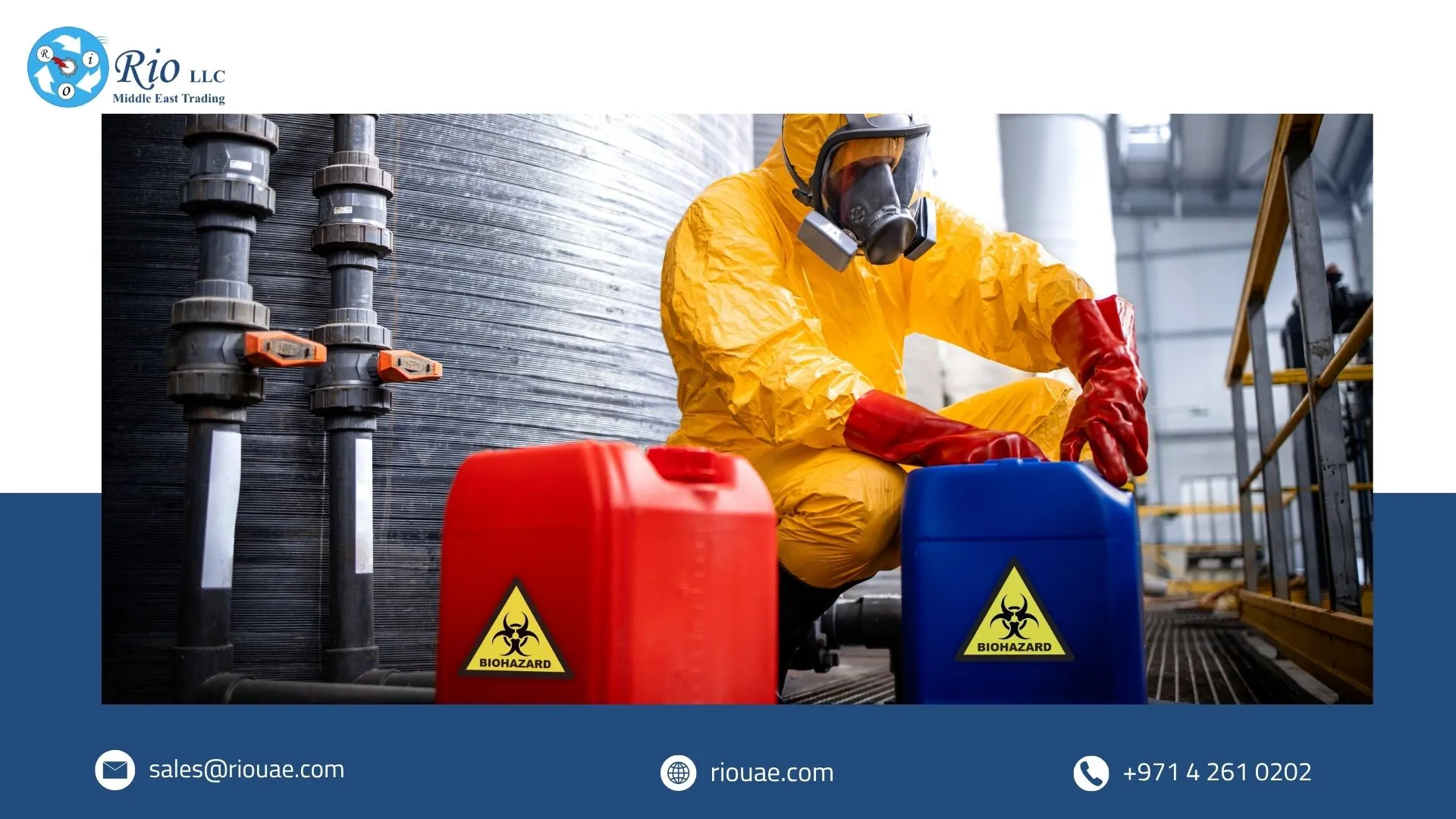
Corrosion protection products are used when a process calls for temporary or longer-term protection of a surface or component. Product families can include corrosion-inhibiting compounds or protective coatings. The intended duration and conditions of protection depend on the product and its defined use.
These products are another important type of aircraft maintenance chemical, but “corrosion protection” is not a complete specification by itself. The component, environment, material and required protection period may all affect the product selection. Buyers should share those details when they are known.
RIO’s surface protection category lists products associated with corrosion protection and other surface-protection needs. SOCOMORE describes its protection range as including products for permanent or temporary surface protection on its official surface protection page. RIO
7. Aerospace Primers and Coatings
Primers, topcoats and other aerospace coatings are used for defined finishing or protection requirements. Coatings may differ in formulation, substrate compatibility, performance characteristics and application conditions. A product name or color alone does not establish that a coating is suitable for a particular aircraft component.
When reviewing aerospace materials for a coating task, teams should confirm the required specification or product reference, the substrate and any related materials specified for the process. Compatibility across the full coating system can matter, so the product documentation and approved process should be used to guide selection.
RIO provides a dedicated coatings category for browsing relevant product families. SOCOMORE’s aerospace coatings information describes coating solutions for aerospace applications. RIO
8. Non-Destructive Testing Materials
Non-destructive testing (NDT) materials support specified inspection methods used to examine components without the same kind of destructive testing used to assess a sample. Different inspection methods rely on different materials and equipment, so “NDT products” is a broad category rather than one product type.
For maintenance and quality teams, the relevant method and procedure should be established before sourcing materials. The product reference, quantity and documentation requirements can then be matched to the inspection need. This is another area where aircraft maintenance chemicals should be selected by application and documentation rather than by category name alone.
RIO lists non-destructive testing products for inspection-related enquiries. The appropriate product or material depends on the specified testing method and the procedure being followed.
9. Lubricants and Other Process Materials
Some aerospace product catalogues also include specialist lubricants, release agents, shims, sealants and other process materials. These products may be used in manufacturing, assembly, maintenance or repair, but their roles differ from cleaners, treatments and coatings.
This broader group helps explain why the term aerospace materials can include both chemical products and associated technical materials. When searching or submitting an enquiry, it is useful to describe the task and the required function. That helps distinguish, for example, a lubricant from a corrosion inhibitor or a sealant from a sealant remover.
How to Identify the Right Product Type
A practical product enquiry starts with the task rather than a guess at the product. Before reviewing types of aerospace chemicals, gather the information available about:
- The process: cleaning, degreasing, paint removal, surface treatment, protection, coating, inspection or sealing.
- The component or surface material.
- The product name, manufacturer reference, part number or specification, if known.
- The required quantity and packaging.
- Any technical or safety documents required.
- The delivery destination for the quotation.
This information can help distinguish between similar-sounding aviation cleaning products and other aircraft maintenance chemicals. It also helps suppliers review the request without making assumptions about compatibility or use.
If the exact product is not known, explain the process and include the relevant product specification or maintenance reference. A supplier can help identify the appropriate catalogue category or available product information, while the maintenance organization remains responsible for following the approved procedure.
Documentation and Maintenance Requirements
Product listings can help buyers identify a product family, reference and package size. A Technical Data Sheet may provide product characteristics and use information. A Safety Data Sheet provides information relevant to hazards and handling. The exact documents available vary by product, so request them by product name or code.
Technical product information does not replace aircraft-specific maintenance data. EASA’s continuing-airworthiness rules state that maintenance should use the methods, techniques, standards and instructions specified in applicable maintenance data. Review the EASA Easy Access Rules for Continuing Airworthiness and the FAA’s Aviation Maintenance Technician Handbooks and Manuals for official references. EASA
Because the documentation and process requirements vary, avoid assuming that one product can replace another just because both appear under the same catalogue category. Confirm the reference, intended use and relevant documents before making a purchasing decision.
Frequently Asked Questions
What are the main types of aerospace chemicals?
Common groups include cleaners and degreasers, paint removers, sealant removers, surface preparation products, surface treatments, corrosion protection products, coatings and NDT materials. The exact range depends on the supplier’s catalogue.
Are aviation cleaning products the same as general industrial cleaners?
Not necessarily. Products have specific intended uses and compatibility information. Check the manufacturer’s technical documentation and the applicable maintenance instructions before considering a product for an aircraft task.
Are all aircraft maintenance chemicals suitable for every aircraft material?
No. Suitability can vary by product, substrate and process. Verify the applicable product reference and documentation for the material and task involved.
What information should I include when requesting a product quotation?
Provide the product name or code if known, quantity, packaging, application details, required documents and delivery destination. If the product is not known, describe the maintenance task and any relevant specification.
Where can I browse aerospace materials by product family?
RIO’s catalogue includes categories for surface preparation, surface protection, surface treatment, coatings, NDT and Shims & Sealants.
Explore the Relevant Product Category
Understanding the types of aerospace chemicals makes it easier to navigate a catalogue and prepare a precise enquiry. Cleaners, removers, treatments, inhibitors, coatings and inspection materials serve different roles, and the right choice depends on the approved process, substrate and product documentation.
If you are sourcing aircraft maintenance chemicals, begin with the relevant RIO category and include the product reference, quantity, packaging and destination in your request. For enquiries involving aviation cleaning products or other aerospace materials, providing the application details helps the team review the requirement and direct you to relevant product information.